
BASECAMP BIOME
Spaces Designed for Health, Longevity & Human Performance
Basecamp Biome is a bespoke wellbeing-led design philosophy combining architecture, interiors, neuroscience, environmental psychology and sensory design to create spaces that support how people actually live, feel and function.
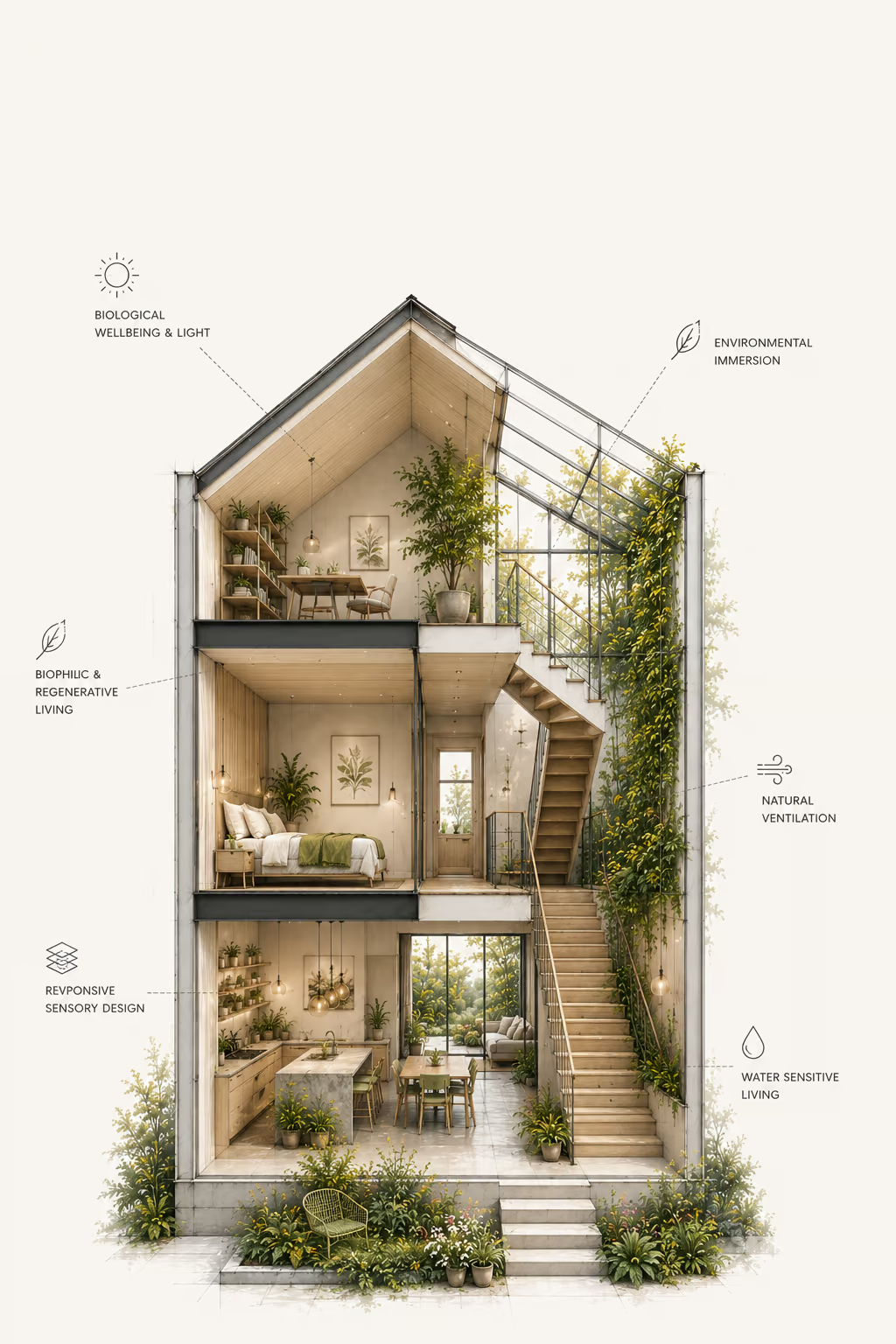
The Basecamp Biome Framework
A science-led design approach integrating architecture, interiors and environmental wellbeing to create spaces that support how people live, work, rest and recover.
Responsive Sensory Design
Designing spaces that shape atmosphere, sensory experience and emotional wellbeing through environmental design.
A space should not just look beautiful. it should feel good to be in.
Responsive Sensory Design considers how a space is experienced emotionally and sensorially — not just how it looks. It brings together acoustics, lighting atmosphere, material texture, scent and visual balance to create environments that feel immersive, supportive and emotionally responsive.
For Basecamp Biome, sensory design is not about creating spaces that feel muted or uniform. It is about shaping environments that support focus, creativity, comfort, connection and atmosphere — whether at home, at work or in hospitality settings.
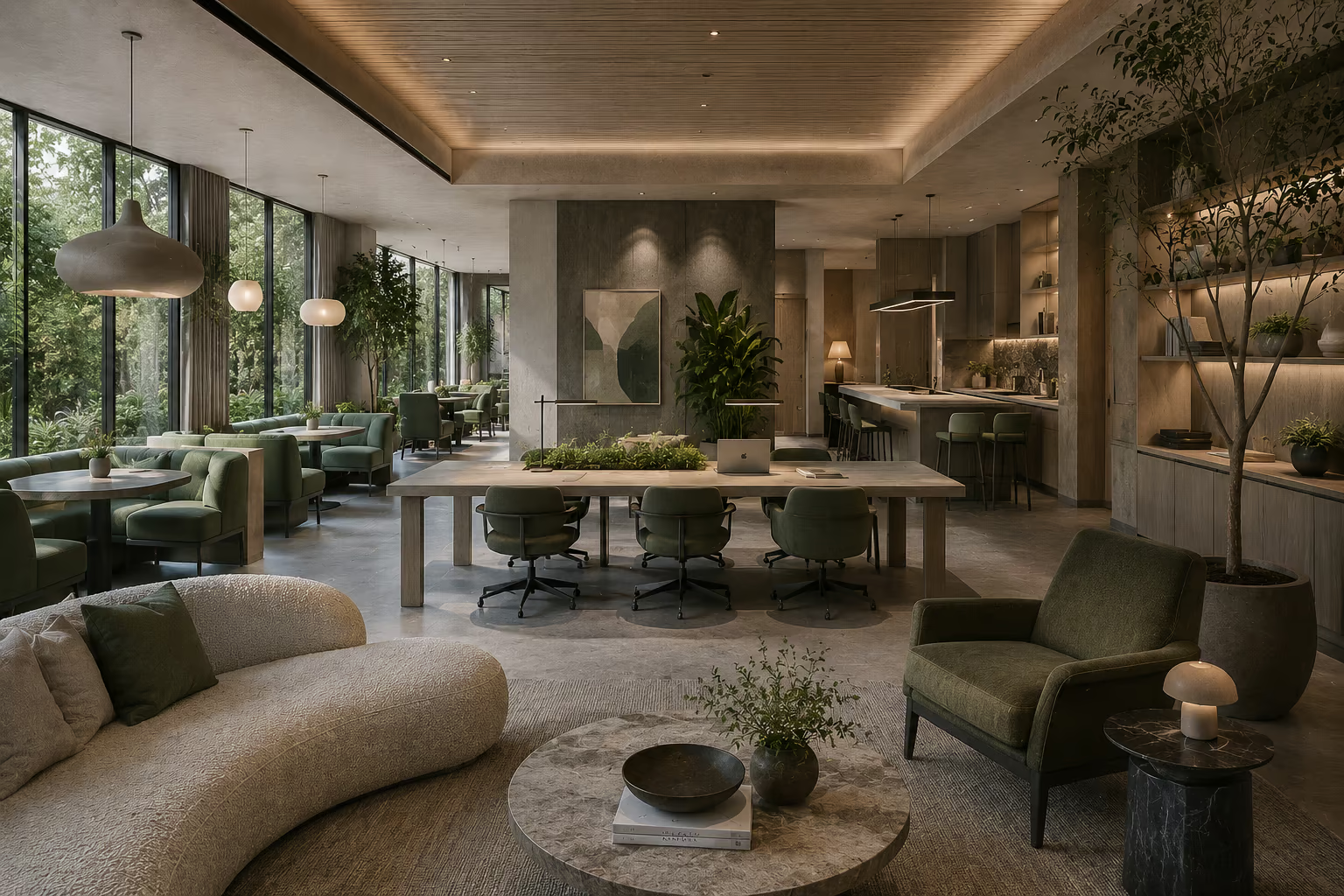
ACOUSTIC
COMFORT
Reducing harsh echoes, background noise and sensory fatigue through more considered spatial and material choices.
SENSORY
ZONING
Creating areas for focus, conversation, pause and transition, so spaces support different moods and sensory experiences throughout the day.
ATMOSPHERE
& EXPERIENCE
Shaping the sensory character of a space through lighting atmosphere, materiality and environmental balance to influence mood and experience.
Health-Conscious Materials
Selecting materials that support healthier environments, sensory richness and long-term wellbeing.
Materials shape how a space feels, performs and ages over time.
Health-Conscious Materials considers how surfaces, finishes and furnishings influence environmental quality, sensory experience and long-term wellbeing. Beyond aesthetics alone, Basecamp Biome looks at factors such as material toxicity, durability, tactility, sustainability, embodied impact and the emotional character materials bring to a space.
Materials are selected not only for visual appeal, but for how they perform, age and contribute to healthier, more meaningful environments over time. Natural textures, layered materiality and considered sourcing help create spaces that feel grounded, authentic and deeply connected to the way people live.
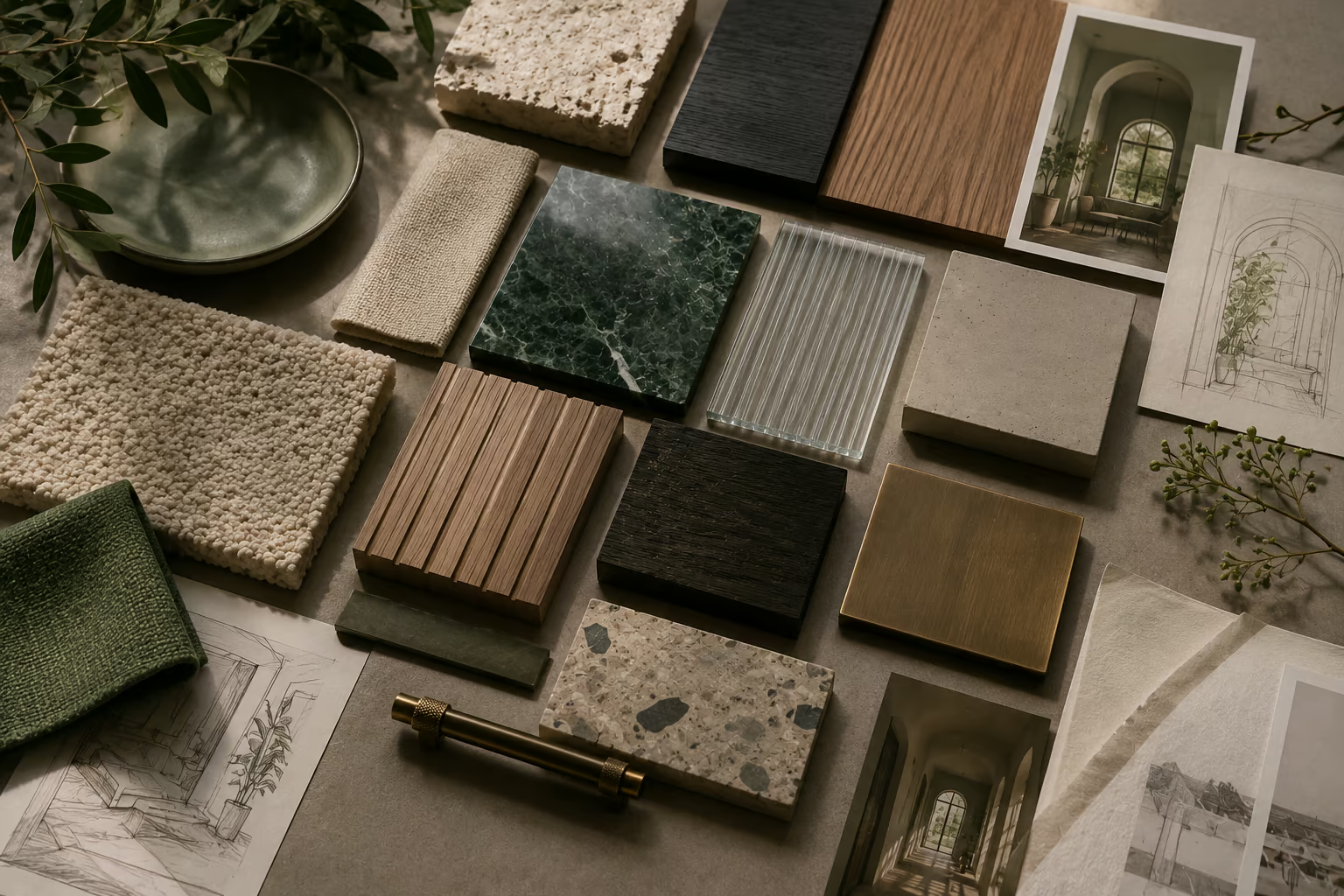
HEALTHY &
RESPONSIBLE MATERIALS
Considering lower-toxicity finishes, sustainable sourcing and environmentally responsible material choices that support healthier interior environments.
TACTILITY &
MATERIAL EXPERIENCE
Using texture, contrast and layered materiality to shape atmosphere, emotional experience and sensory engagement within a space.
LONGEVITY &
CIRCULAR THINKING
Selecting durable materials designed to age gracefully, reduce waste and support more sustainable long-term living.
Biological Wellbeing & Light
Designing environments that support circadian health, indoor environmental quality, movement and long-term biological wellbeing through light, healthier living conditions and environmental design.
Our environments should support human biology, not work against it.
Biological Wellbeing & Light explores how environments influence the body’s natural systems over time. Basecamp Biome considers how daylight exposure, artificial lighting, indoor environmental quality, environmental stressors and spatial experience can affect energy, sleep, movement, focus and overall wellbeing throughout daily life.
Rather than treating lighting and environmental health as purely technical considerations, this approach looks at how spaces can better support human biology through healthier living conditions, reduced environmental irritants, natural movement, visual connection to daylight and environments that encourage healthier long-term routines and behaviours.
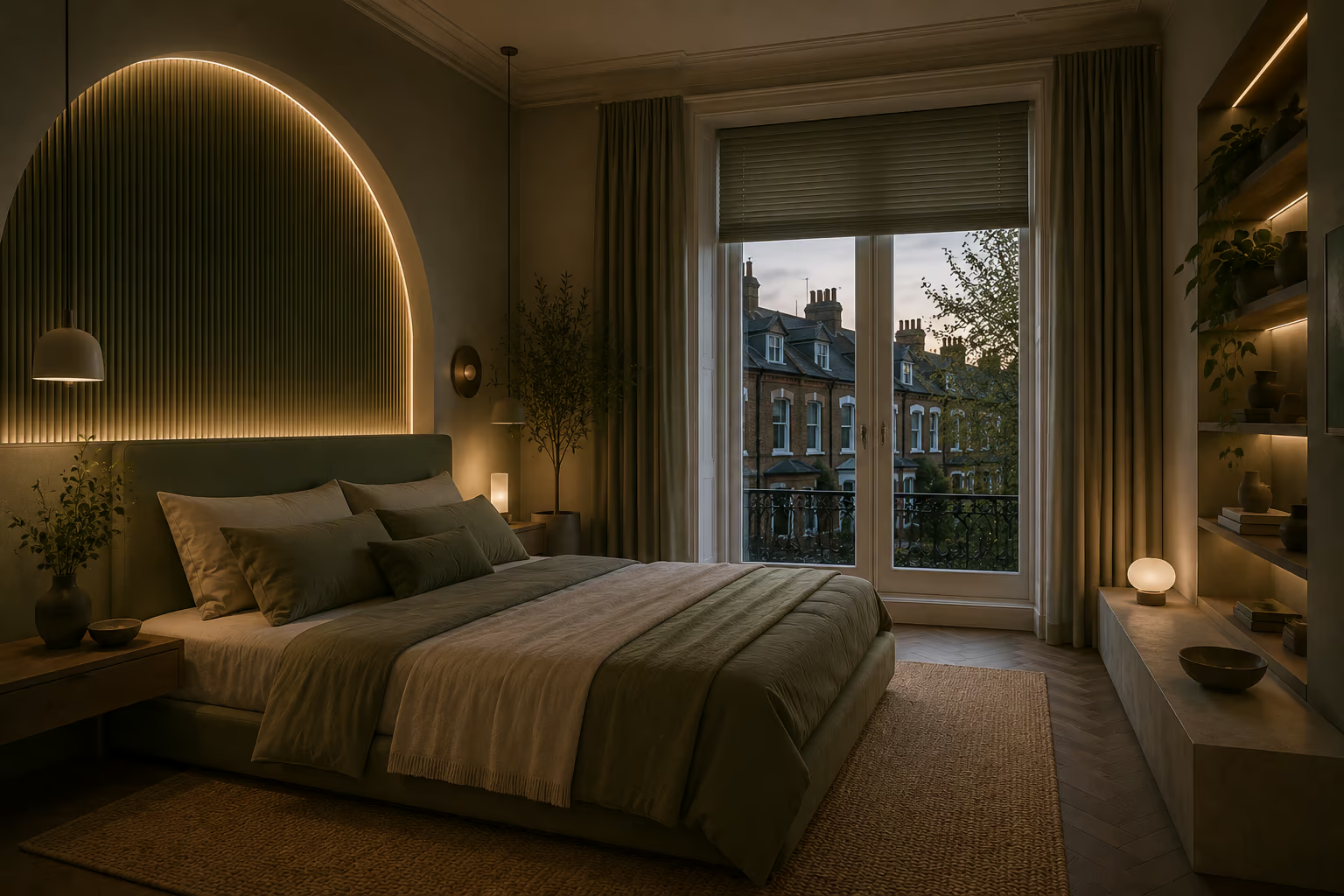
CIRCADIAN
LIGHTING
Considering daylight exposure, layered artificial lighting and the changing qualities of light throughout the day to better support circadian biology, hormonal regulation, sleep quality, energy levels and cognitive wellbeing.
INDOOR
ENVIRONMENTAL HEALTH
Reducing environmental stressors such as poor air quality, allergens, excessive dust, mould risk and unhealthy indoor conditions that may contribute to irritation, fatigue or chronic health sensitivities, while supporting healthier long-term living environments.
MOVEMENT &
BIOLOGICAL WELLBEING
Designing environments that naturally encourage movement, healthier behavioural patterns, energy regulation and more active daily living through spatial experience, light, circulation and connection to the body.
Spatial Psychology
Designing spaces where form, proportion, flow and spatial connection are used intentionally to shape human experience.
Spaces shape behaviour, emotion and human experience.
Spatial Psychology explores how architecture and interior environments shape human experience through form, proportion, circulation and spatial composition. Basecamp Biome considers how openness, thresholds, ceiling height, zoning and visual connection influence the way spaces are perceived, navigated and experienced beyond aesthetics alone.
Rather than treating rooms as isolated functions, this approach looks at how spaces connect, transition and unfold throughout daily life. Layered zoning, framed views, spatial sequencing and architectural flow are all used intentionally to shape atmosphere, privacy, interaction and the emotional character of a space over time.
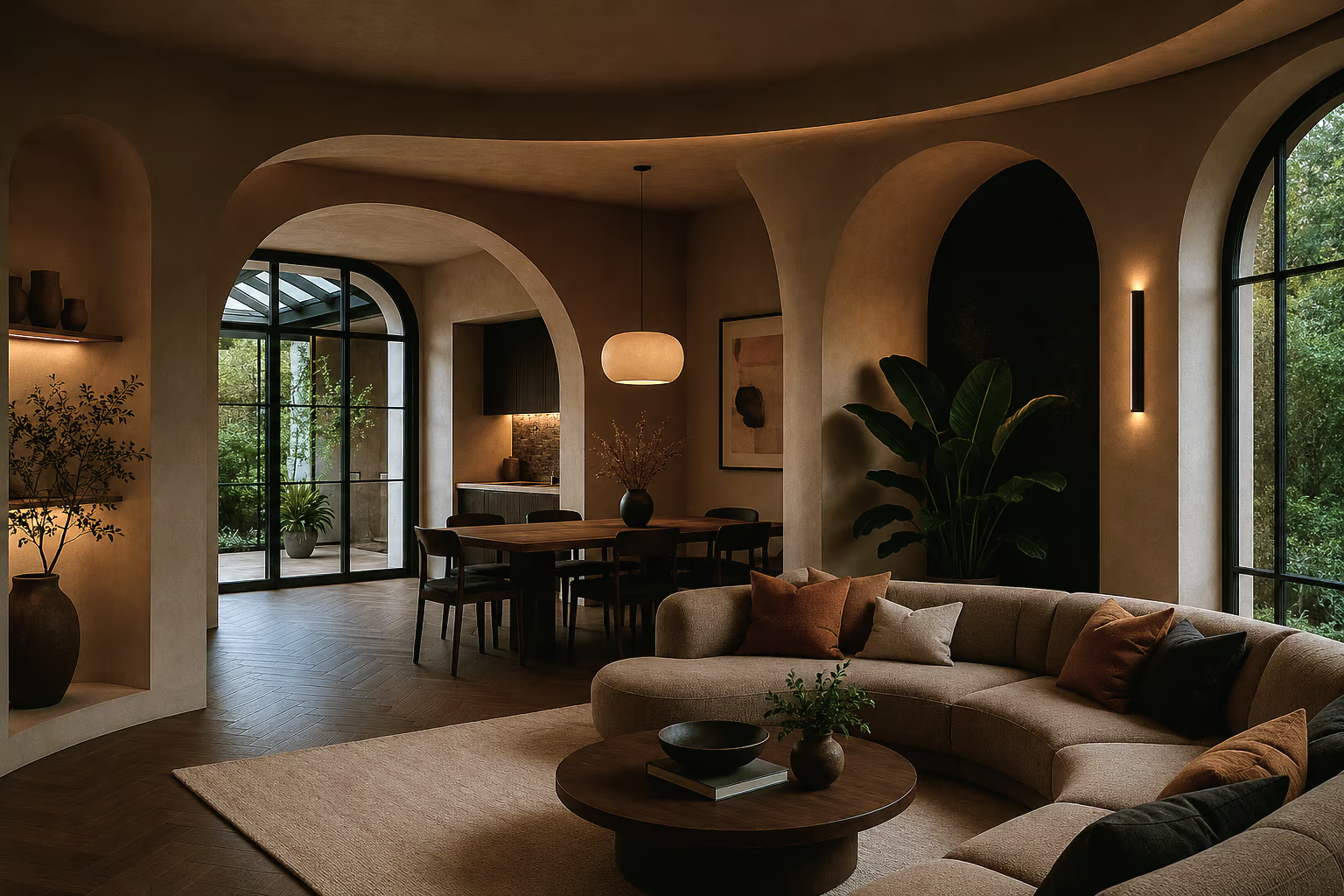
SPATIAL FLOW
& MOVEMENT
Considering how circulation, visibility and transitions between spaces influence movement, interaction and the experience of daily life.
PROPORTION &
SPATIAL FORM
Using scale, geometry, ceiling height and spatial composition to shape how environments feel and function psychologically.
LAYERING &
THRESHOLDS
Creating framed views, gradual transitions and connected zones that influence atmosphere, privacy and spatial experience.
Biophilic & Regenerative Living
Designing environments that reconnect people with nature, seasonal living and restorative relationships with the natural world.
We are healthiest when connected to the living world around us.
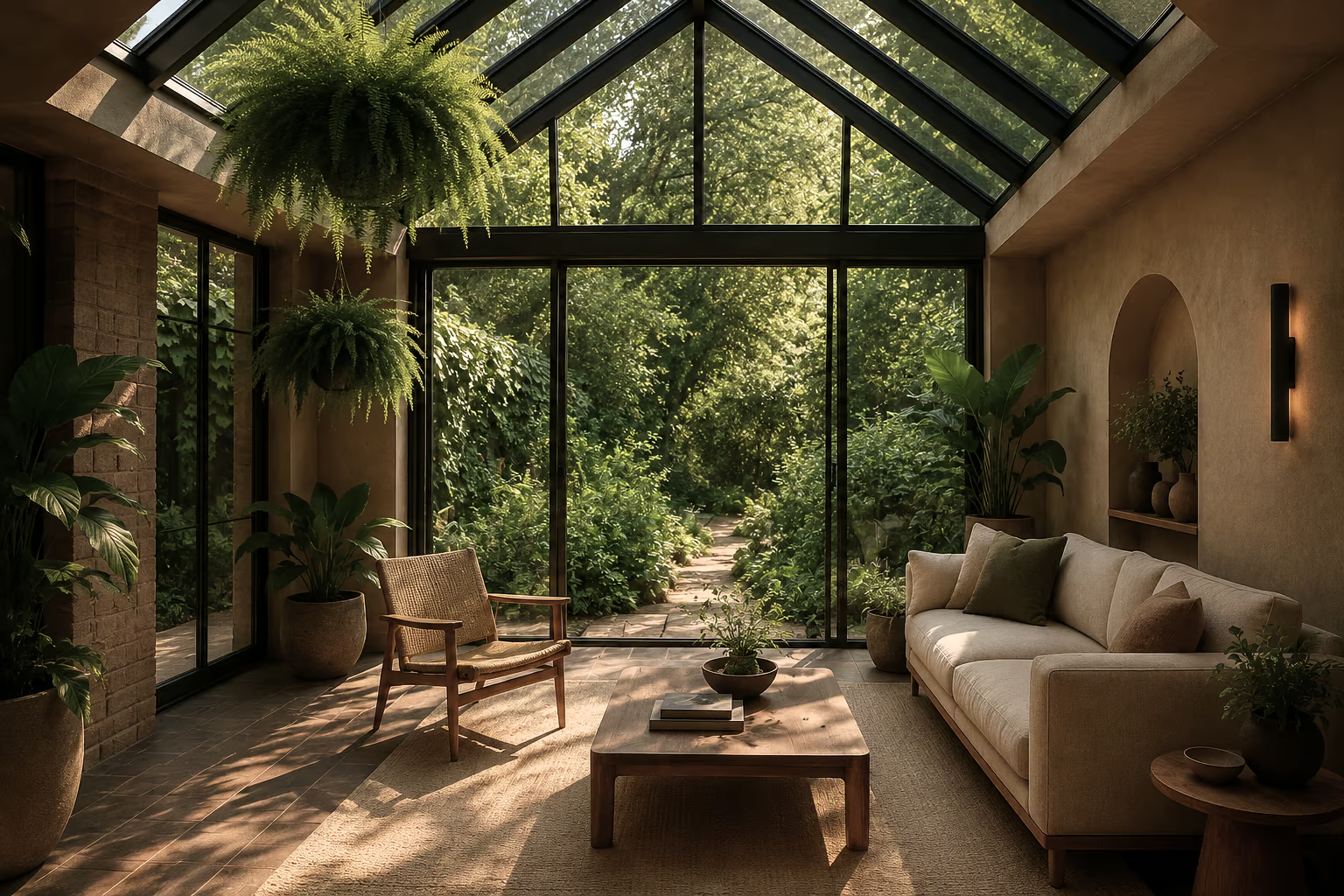
Biophilic & Regenerative Living explores how architecture can restore stronger relationships between people, nature and the living systems that support long-term wellbeing. Beyond simply introducing plants or natural materials, Basecamp Biome considers how environments can encourage environmental immersion, seasonal awareness, biodiversity and healthier interaction with the natural world throughout daily life.
This approach looks at how planting, daylight, productive gardens, indoor ecosystems, natural materials and layered connections between inside and outside can influence emotional wellbeing, restoration, behaviour and environmental responsibility over time. Rather than separating people from nature within sealed environments, the aim is to create spaces that feel more connected, restorative and integrated with the rhythms of the living world.
ENVIRONMENTAL
IMMERSION
Designing environments that strengthen daily interaction with daylight, planting, natural systems and seasonal change.
BIODIVERSITY &
PRODUCTIVE LIVING
Encouraging edible planting, biodiversity and healthier relationships with the natural systems that support everyday life.
RESTORATIVE
CONNECTION
Creating spaces that support emotional restoration, environmental awareness and a deeper connection to the living world.
Environmental Analysis
Using environmental insight and evidence-led analysis to better understand how spaces influence wellbeing, comfort and long-term environmental performance.
Better environments begin with deeper understanding.
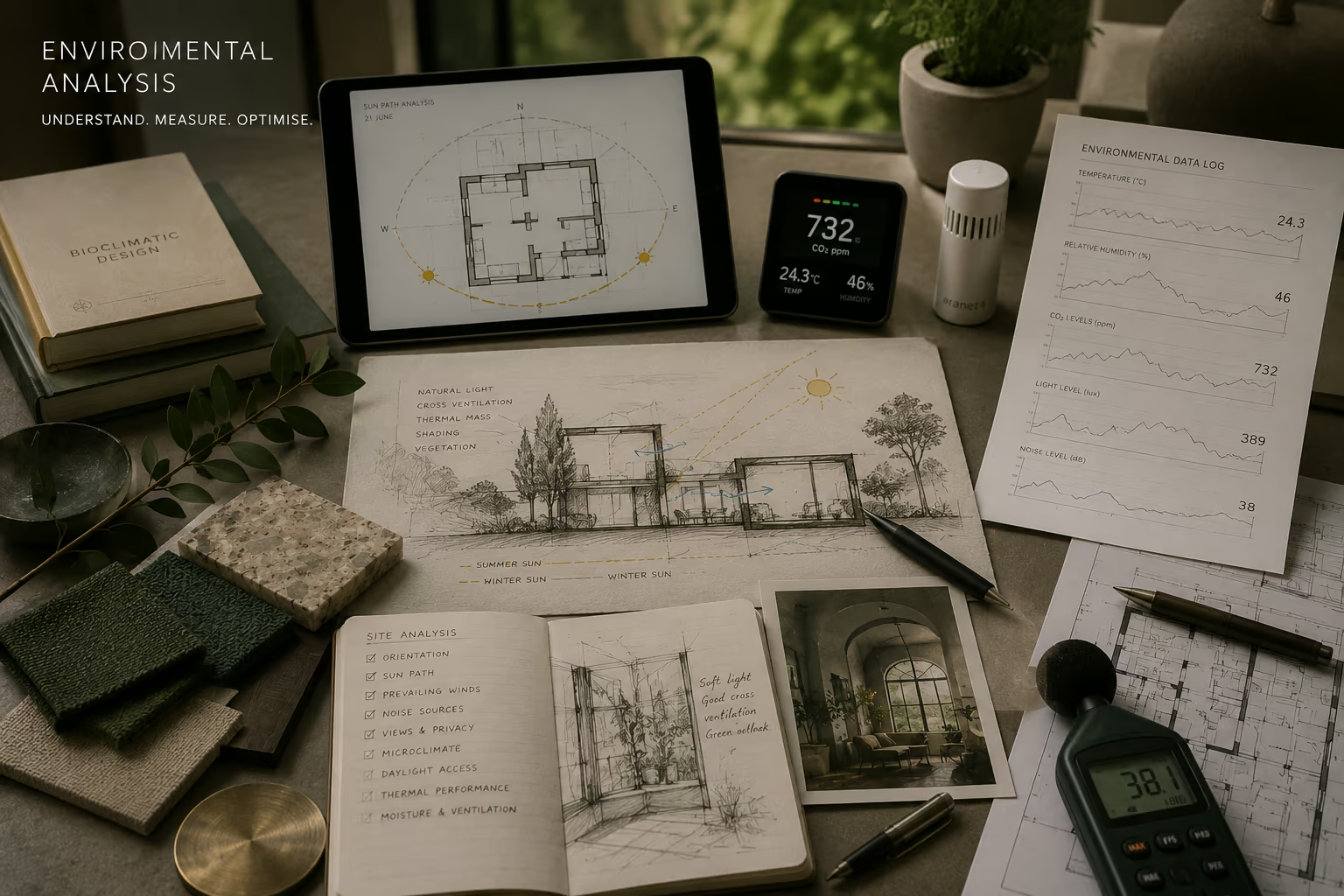
Environmental Analysis explores how data, observation and environmental understanding can help create healthier, more responsive living environments over time. Basecamp Biome considers factors such as air quality, environmental stressors, daylight conditions, humidity, material impact and spatial performance to better understand how environments affect everyday experience and wellbeing.
Rather than relying solely on fixed assumptions, this approach supports more informed and adaptable design decisions through environmental insight and ongoing evaluation. Over time, Basecamp Biome aims to integrate intelligent and energy-conscious systems that can respond more naturally to changing environmental conditions while remaining discreet, human-centred and seamlessly integrated into the architecture itself.
AIR &
ENVIRONMENTAL QUALITY
Assessing factors such as air quality, humidity, ventilation and environmental stressors that may affect long-term living conditions.
EVIDENCE-LED
DESIGN
Using environmental data, observation and analysis to support more informed and responsive design decisions.
INTELLIGENT
ENVIRONMENTAL SYSTEMS
Exploring discreet and energy-conscious technologies that can help environments respond more naturally to changing conditions over time.
Why Basecamp Biome Exists
Modern buildings are often shaped by regulations, efficiency targets, cost pressures and increasingly complex technical systems. While many of these standards are important, environments can sometimes become overly engineered, disconnected from nature and designed more around compliance than human experience.
Basecamp Biome was created to bring wellbeing, environmental connection and emotionally intelligent design back into the centre of architecture and interior spaces. Rather than treating wellbeing as an added layer or certification, the aim is to integrate it into the way environments are shaped, experienced and lived in every day.
Through a combination of sensory design, biological wellbeing, spatial psychology, regenerative living and environmental analysis, Basecamp Biome explores how spaces can better support human health, behaviour, emotion and long-term quality of life — while still remaining grounded in beautiful, buildable and contemporary design.
How to work together
Whether you’re refining an existing home or creating something entirely new,
Basecamp Biome can be explored at different scales and levels of involvement.
DESIGN MENTOR
Focused design guidance for clients seeking clarity, direction and wellbeing-led thinking before committing to major design decisions.
BIOME BUILD
Complete wellbeing-led home transformations
integrating architecture, interiors and
environmental design.
BIJOU BIOME
Wellbeing, Atmosphere & Ritual
Bijou Biome is a sculptural wellness object designed to support atmosphere, environmental wellbeing and sensory ritual through the lens of the Basecamp Biome philosophy.
Combining natural materials, passive environmental thinking and aromatherapy, Bijou Biome was created as a more tactile and emotionally connected alternative to conventional electric diffusers and wellness devices — designed to influence how a space feels, smells and is experienced over time.
Originally developed as a portable wellbeing object, the concept continues to evolve into a wider collection exploring air quality, sensory ambience, ritual and regenerative living through low-tech, design-led solutions.

BIOME IN PrACTICE
Wimbledon Reception
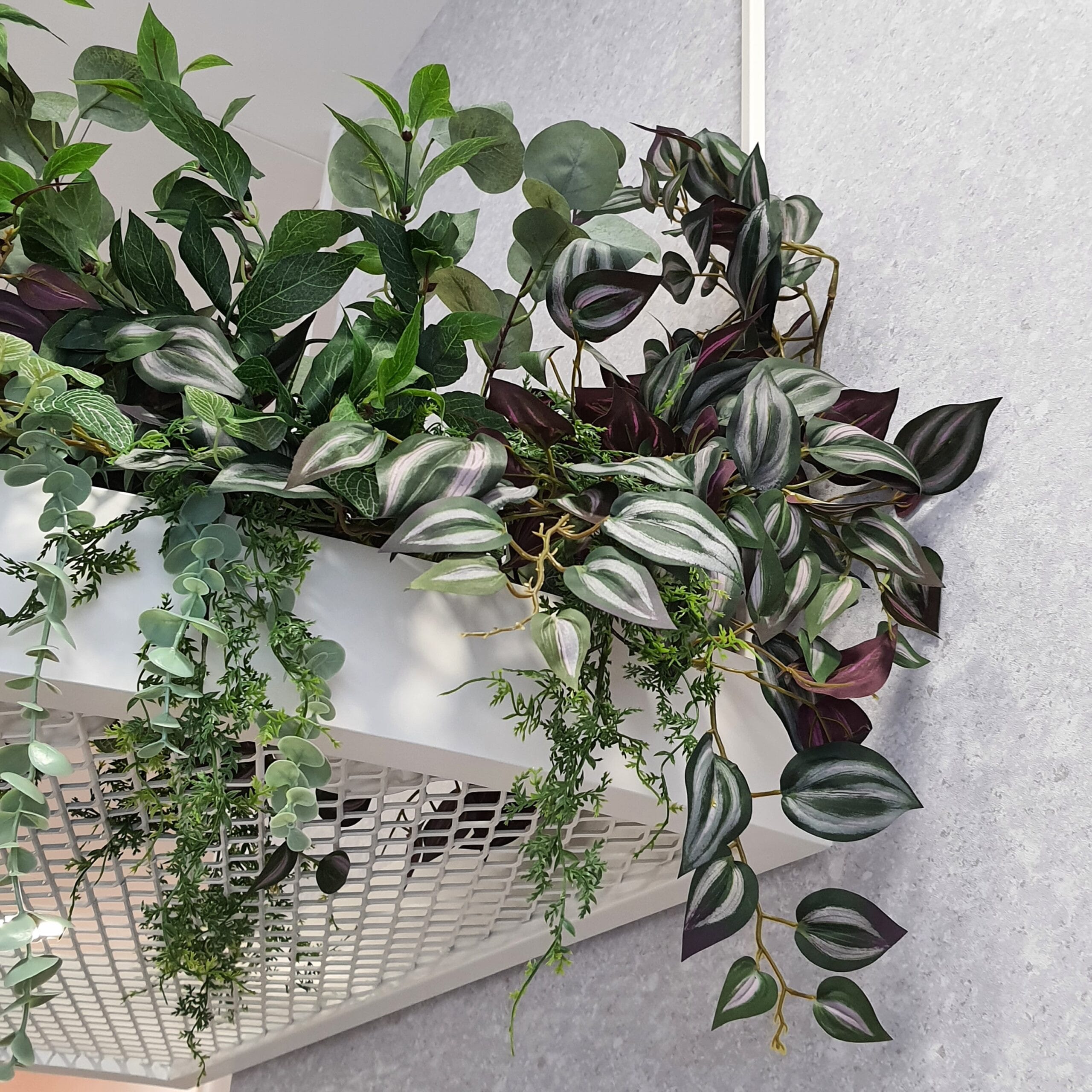
Biophilic reception concept integrating sculptural planting, organic forms and sensory-led detailing to create a calmer and more welcoming customer experience.
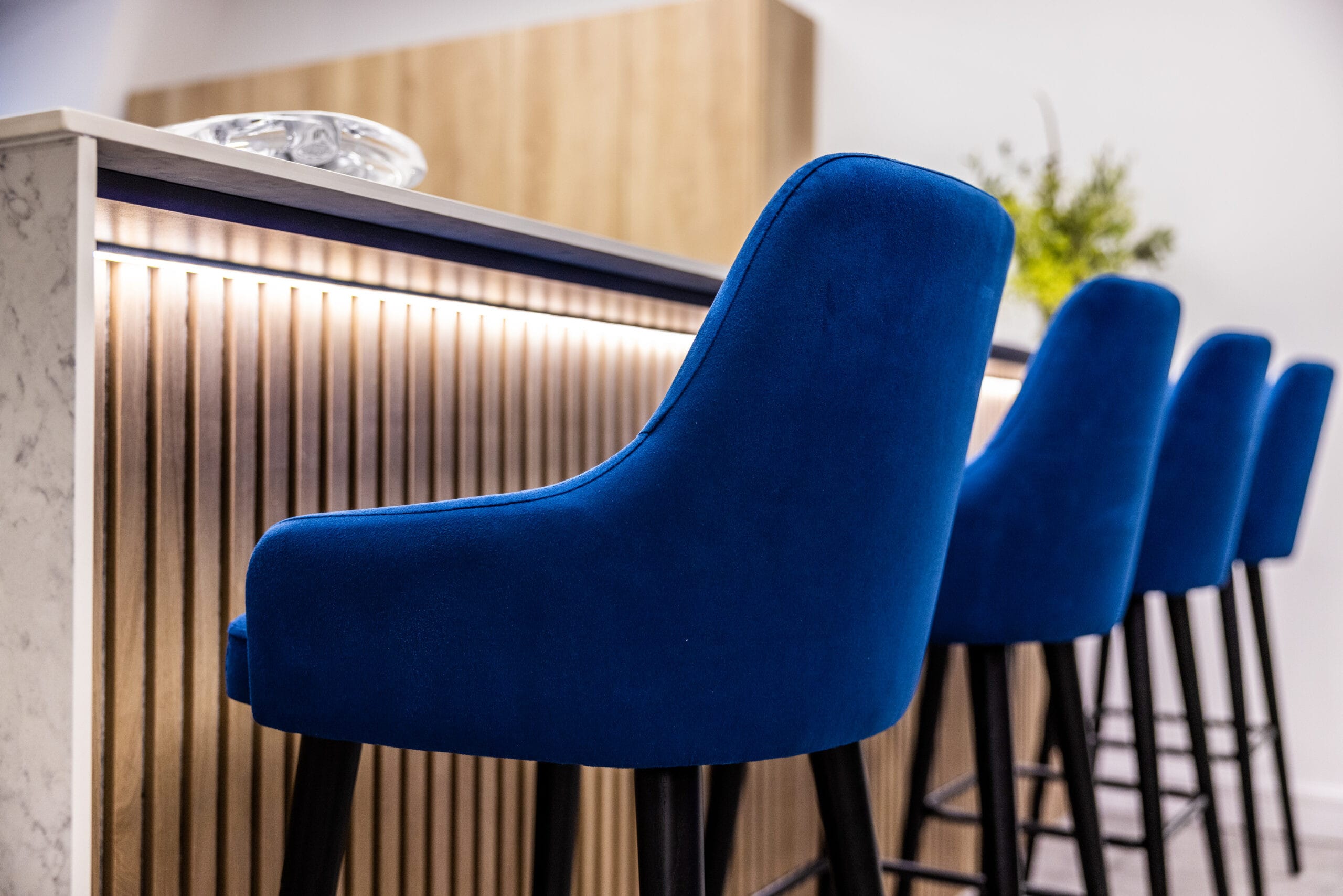
Multi-Use Office Bar & Collaboration Space
Layered hospitality environment balancing atmosphere, lighting, materiality and multifunctional use within a compact social space.
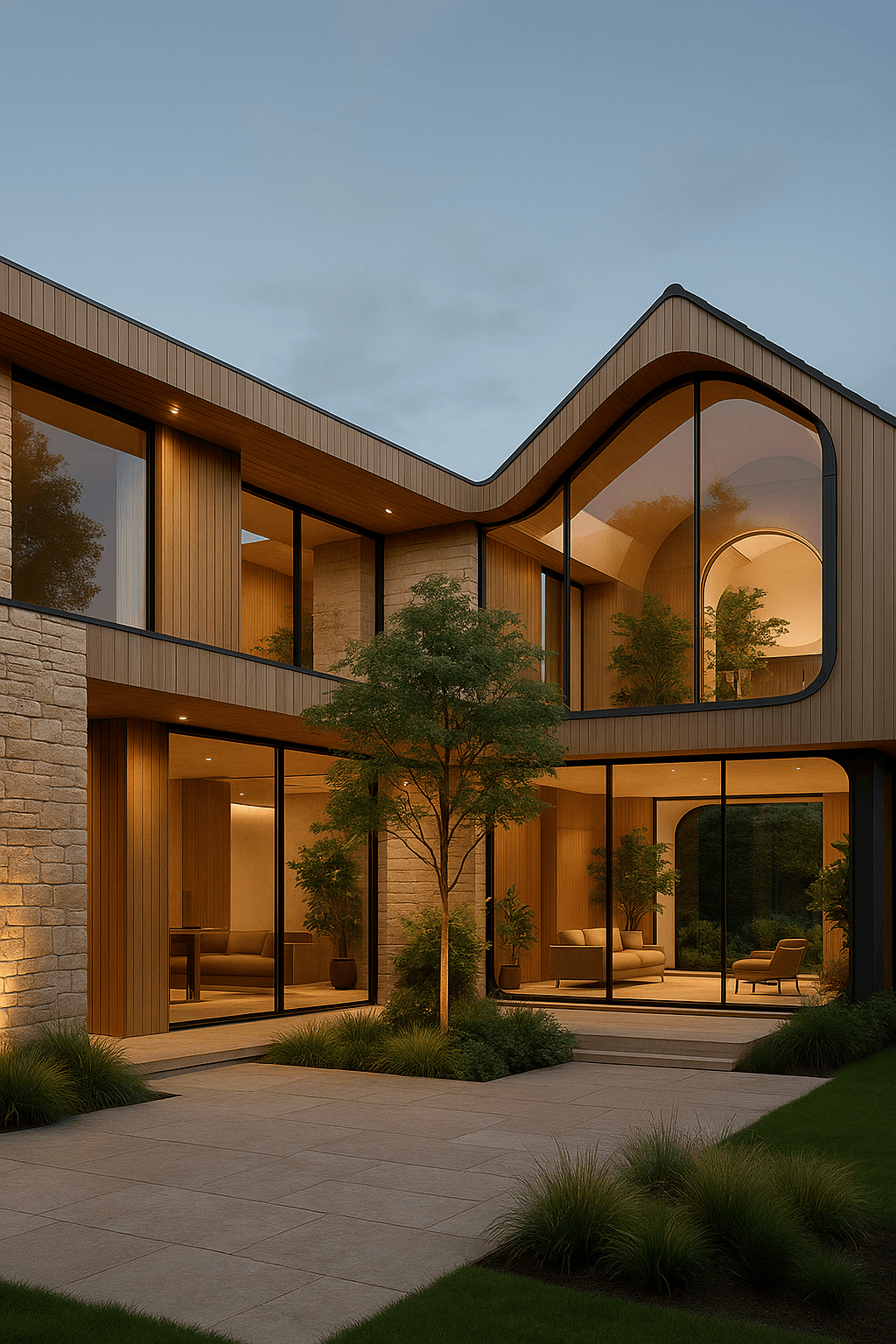
Regenerative Living Concept
Conceptual architectural study exploring curved forms, natural materials and regenerative living principles within a contemporary residential environment.


